

Many office teams in leased or multi-tenant buildings rely on the building’s front entrance, lobby controls, or shared access systems and assume that covers most of their security needs.
In reality, once someone enters your office suite, the security picture changes.
Modern office security is no longer defined by cameras alone. It depends on how people move through the space, which areas they need to access, when they are typically there, and how the office operates day-to-day.
For tenants who do not own the building, understanding that difference is important.
This article looks at why office security should be designed around people and movement, what tenants can control themselves, and how security can support a more predictable and well-managed workplace.
1. Building security does not replace suite-level security
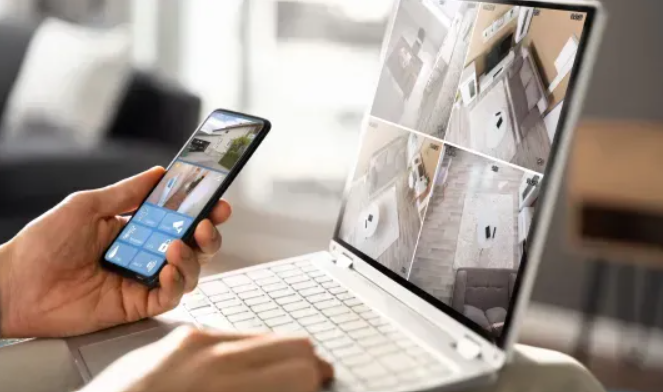
Many commercial buildings already have security measures in place.
That may include lobby access, elevator restrictions, common-area cameras, or card readers at the building entrance.
Those systems are valuable, but they are designed to protect the building as a whole.
Your office suite has a different set of risks.
Once someone enters your workspace, you may still need to manage access to:
private offices
storage areas
meeting roomsstaff-only areas
equipment rooms
records or sensitive information
spaces used by visitors or contractors
For office tenants, security often works best in layers. The building controls who gets into the property. Your own system helps control what happens inside your space.
2. Cameras are only one part of the picture
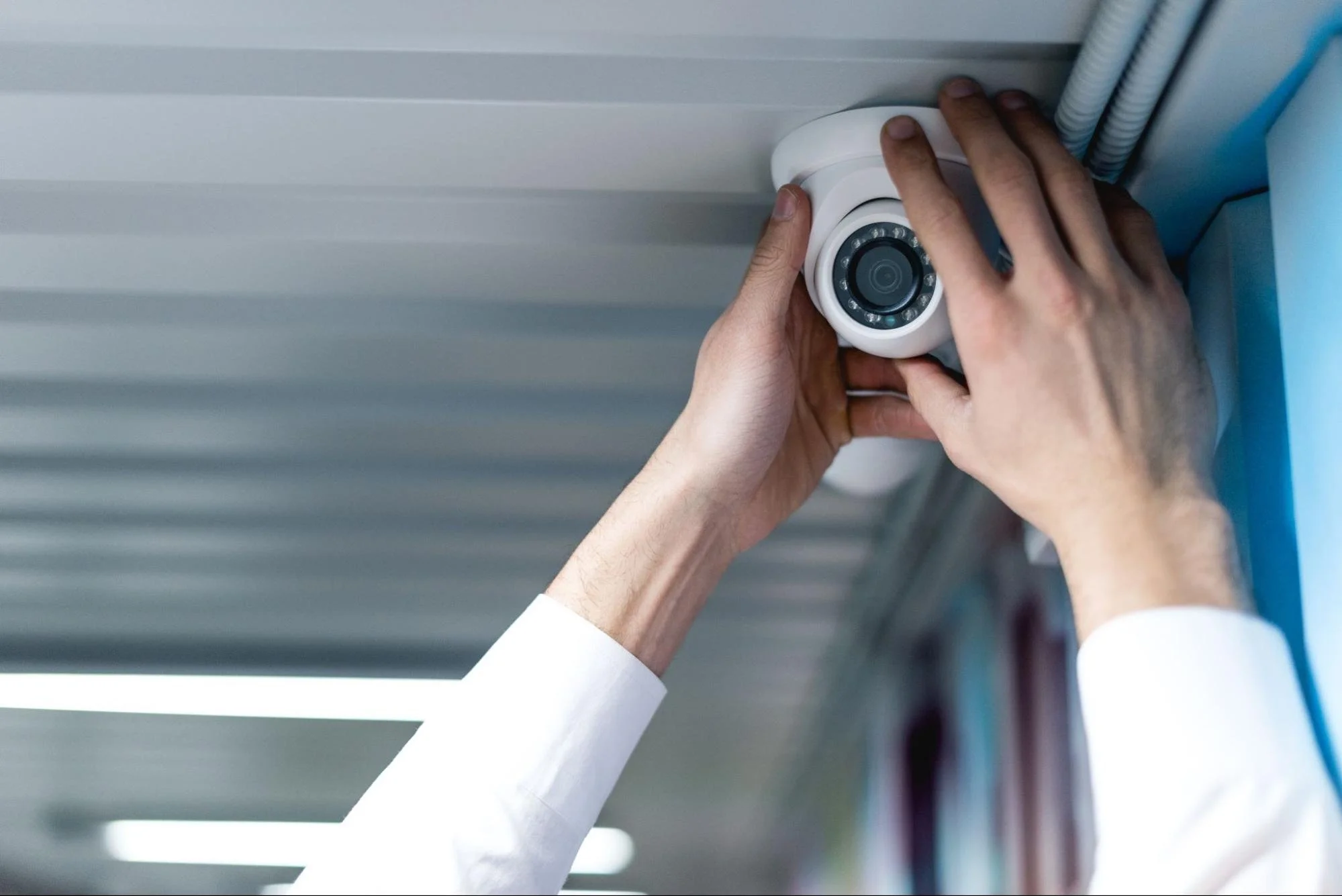
Cameras can provide visibility and a record of activity, but they are most effective when they are part of a broader security plan.
Placement matters. Alerts matter. Access control matters. So does understanding what the camera is actually supposed to help you monitor.
A camera positioned without considering how people move through the office may capture plenty of footage while providing limited useful information.
A better starting point is to look at the space itself:
Where do visitors wait?
Which doors should remain restricted?
Where do employees enter and leave?
Which areas have little natural visibility?
Are there times when the office is lightly staffed or unoccupied?
Are there rooms containing equipment or sensitive information?
Once those questions are answered, cameras and other security tools can be placed more intentionally.
3. Good security follows people flow
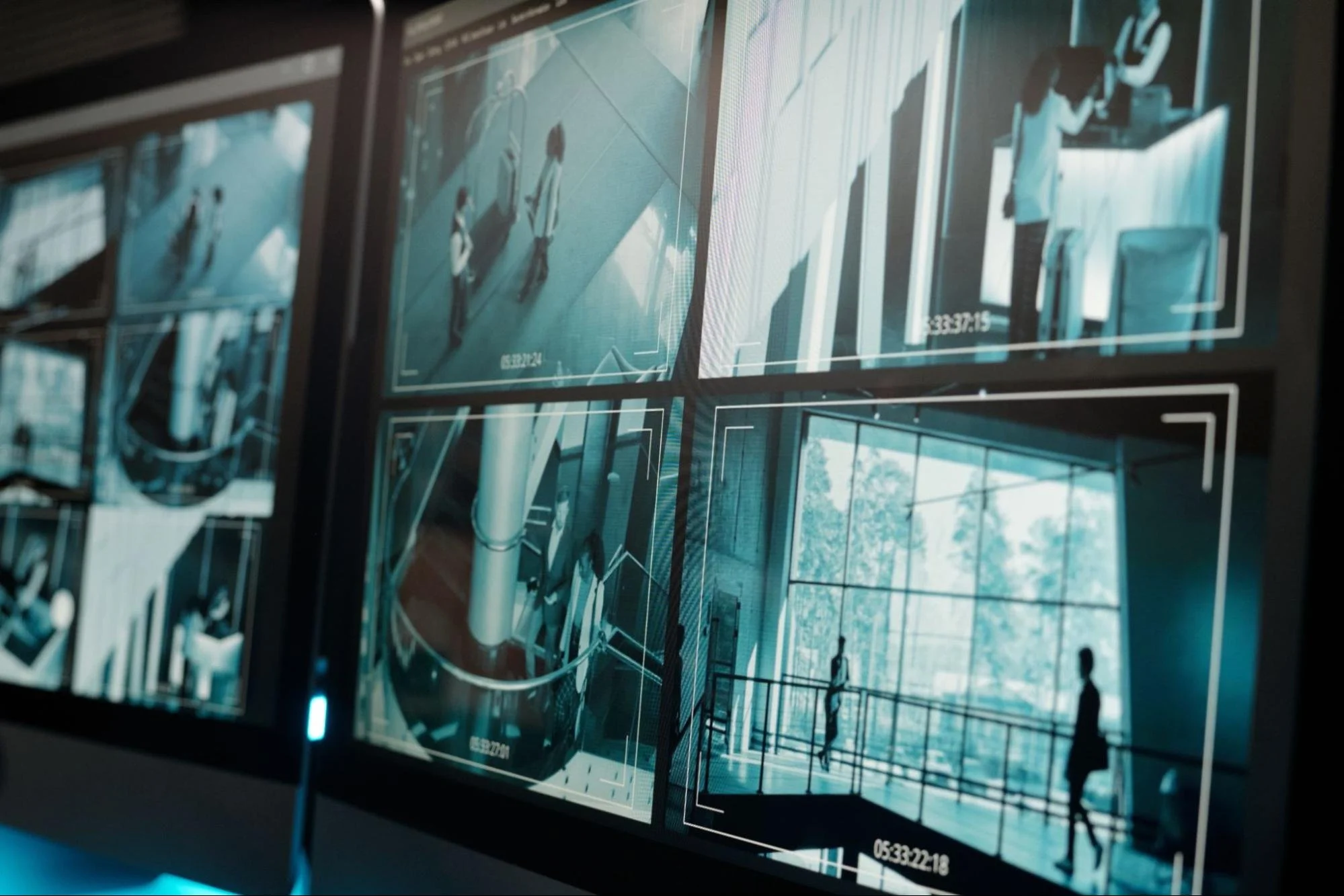
Most office security issues are connected to movement.
Who entered? Where did they go? Did they have permission to be there? Was that activity normal for that time of day?
A people-flow approach looks at how employees, clients, vendors, contractors, and visitors move through a workplace.
That can help determine where access controls are useful, where cameras provide the most value, and where alerts may be appropriate.
The goal is not to monitor every movement.
It is to create enough visibility and control that the organization understands what is happening in its own space.
4. Security should reduce friction, not create more of it
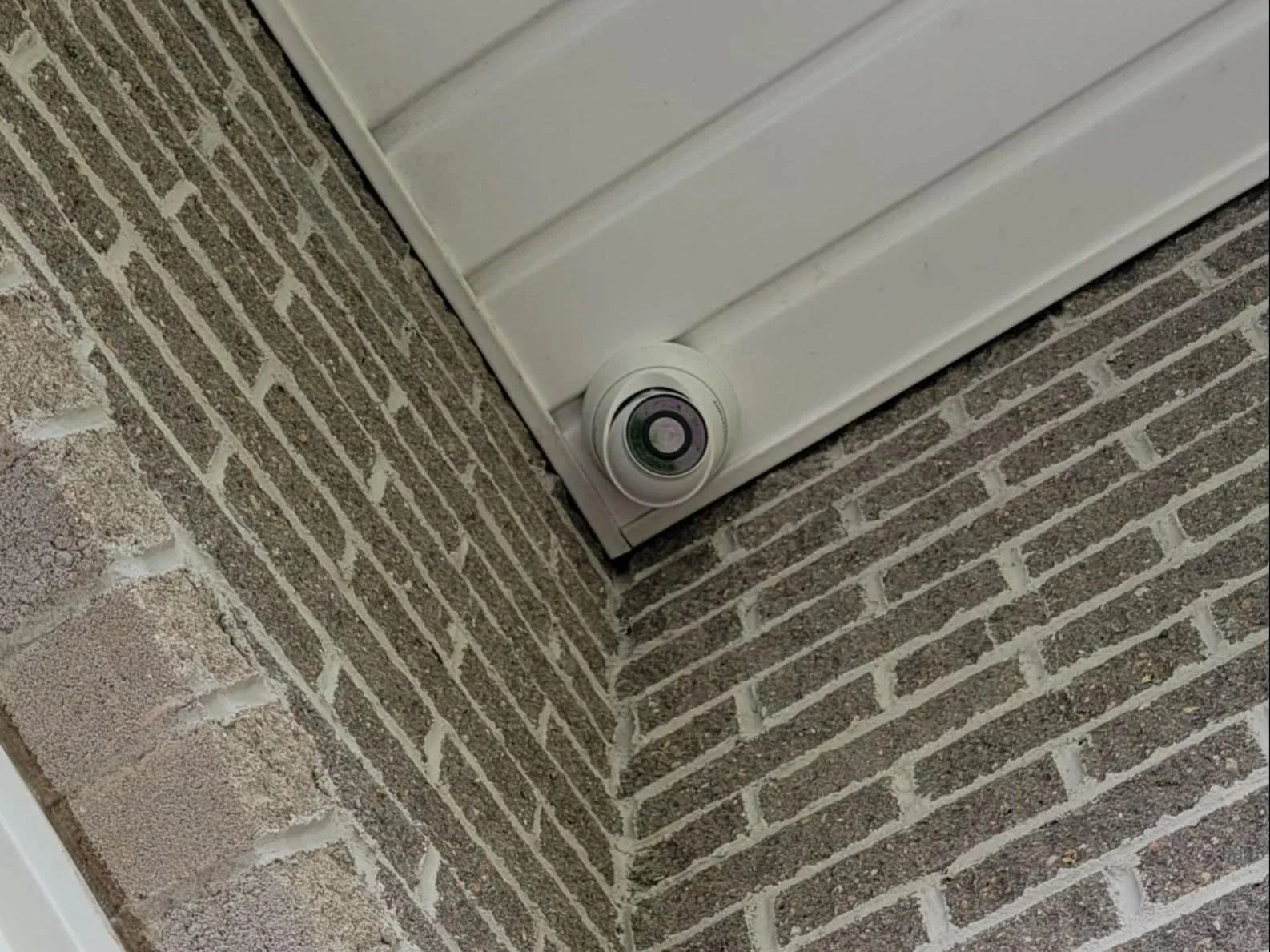
Poorly planned security can create its own problems.
Employees get locked out of rooms they need. Temporary access becomes difficult to manage. Former staff retain credentials longer than they should. Visitors are unsure where to go. Teams end up relying on workarounds because the system is too cumbersome.
Well-planned access control can make everyday routines more predictable while still protecting restricted areas.
That matters even more in workplaces where schedules are flexible and occupancy changes from day to day.
5. Hybrid work changes how office security should be planned
Hybrid workplaces are less predictable than traditional offices.
Employees may work different days each week. Meeting rooms may have heavier use. Visitors may arrive when fewer employees are on-site. Contractors and service providers may need access outside normal office hours.
That makes flexible permissions, clear access policies, and remote visibility more useful than they were in offices with fixed schedules.
Microsoft’s 2026 Work Trend Index shows that work is continuing to change quickly, with organizations redesigning how people operate and collaborate. While that report focuses primarily on AI and organizational change, the broader point is relevant: workplace systems need to support increasingly flexible patterns of work.
Security should be designed for how the office operates now, not how it operated five years ago.
6. Tenants can improve security without owning the building
You do not need to control the entire property to improve security inside your office.
Practical steps may include:
mapping entry points and common movement paths
defining who should have access to specific rooms
reviewing who currently has active credentials
adding suite-level access control where appropriate
placing cameras based on actual movement and blind spots
pairing cameras with useful alerts instead of relying only on recordings
creating a clear process for contractors and visitors
reviewing permissions when staffing changes
ensuring authorized staff can access the system when needed
The key is to design around real routines rather than assumptions.
7. Privacy still matters
Workplace security systems can involve the collection of personal information.
That means privacy should be considered during planning.
The Office of the Privacy Commissioner of Canada recommends that workplace monitoring be reasonable, proportionate, and limited to a clear purpose. Employers should also be transparent with employees about what information is being collected, why it is being collected, and how it will be used.
In practical terms, that means security systems should be designed to protect the workplace without collecting more information than necessary.
Wrapping Up
Modern office security is not simply a matter of installing more cameras.
It is about understanding the people using the space, how they move through it, which areas require protection, and where better visibility or access control would make the workplace easier to manage.
For office tenants, the most effective approach is usually layered. Building security protects the property. Suite-level security protects the space where your team actually works.
Holland Technologies works with offices across Halifax and Atlantic Canada to design and install CCTV, access control, monitoring, and other integrated security systems based on how each space is actually used.
If your office has changed, your security plan may need to change with it.
Get in touch today to see how we can help you protect what matters most.
